
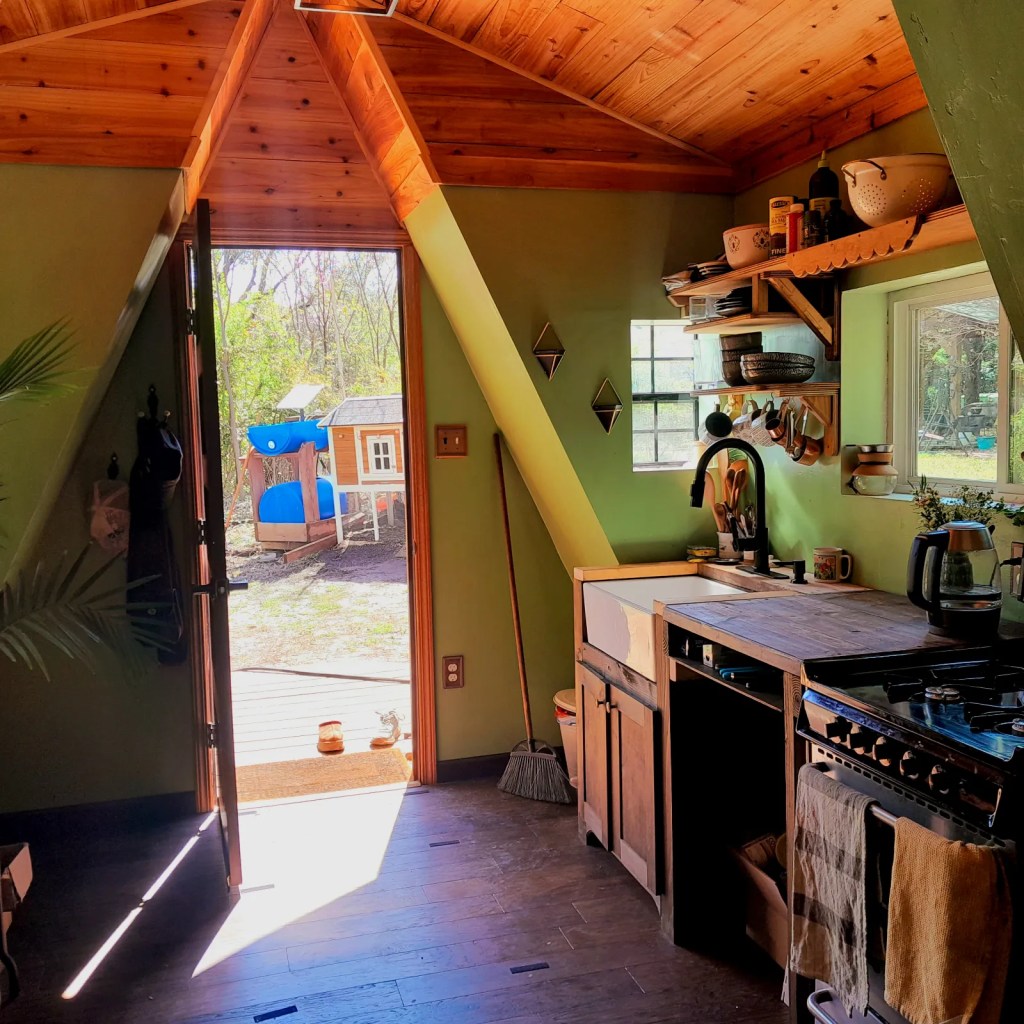
When I first encountered the idea of tiny house living, I felt an immediate connection. The thought of simplifying my life, minimizing my possessions, and embracing sustainability resonated deeply with me. In a world faced with pressing environmental issues, I recognized that building a sustainable home was not just a personal aspiration but a shared responsibility.
Eventually, I took the leap and moved into a tiny, sustainable home that my wonderful fiancée built for me. Here’s how I did it, along with practical tips for anyone looking to embrace small-space living.
Understanding Tiny Space Living
Before committing to tiny house living, I recommend researching various designs and philosophies. Small-space living is all about flexibility and adaptability. Whether you live in an apartment, a van, or a tiny house on wheels, key principles guide this lifestyle: efficiency, creativity, and sustainability.
Living small doesn’t mean sacrificing quality of life; it’s about maximizing what you own. I adopted a less-is-more mindset, which became a core aspect of my sustainable living journey.
Declutter with Purpose
One of the most freeing (and difficult) experiences during my transition was decluttering. I lived with my parents before moving into my tiny house, but it was still a chore to decide what to keep! I recommend going through each room methodically, using the three-box method: “Keep,” “Donate,” and “Recycle.” That way each item will be carefully assessed based on its utility and personal value.
This process taught me what was truly essential. I discovered that having fewer items meant less time spent cleaning and organizing. It was liberating, both physically and mentally.
Smart Space Utilization
In my tiny home, smart design choices were crucial. My fiancée and I selected furniture that serves multiple purposes. For example, my sofa folds into an extra bed, and my dining table doubles as a workspace and extra counter space. I also used vertical storage extensively. By utilizing wall space, I stored books and kitchenware without crowding the floor.
Hooks for my pots and pans transformed my kitchen into an organized, visually appealing area. With these choices, I maximized functionality without sacrificing style.
Maximize Natural Light
Another vital element for sustainability is intelligent energy use. I designed my home to maximize natural light by placing windows and skylights strategically.
Light, open spaces not only feel larger but also decrease dependence on artificial lighting. I felt a noticeable lift in my mood and energy levels when sunlight flooded my home, illustrating the benefits of connecting nature with living spaces.
Water Conservation Measures
In a tiny sustainable home, being mindful of water usage is crucial. I installed low-flow fixtures in my kitchen and bathroom, cutting my water consumption by about 30%. Instead of installing a septic system in our yard which would have costed between $3,000 and $12,000, my fiancée and I opted for a compostable toilet! Now if you were really gung-ho about self-sustainability you an take the compost from your toilet and use it in your garden (waste from a composting toilet isn’t safe for edible plants, but if perfect for flowers, shrubs and trees!)
I also plan to set up a rainwater collection system that captures rainwater for gardening. This will not only conserve water but also support my small garden, which yields fresh herbs and vegetables just steps from my door.
Using Outdoor Space To Your Advantage
Hosting has always been a passion of mine, and tiny house living brought unique challenges. I embraced gardening and beautifying my outdoor space so I can invite people over to my cozy little home without feeling crowded and all smooshed together. By adding string lights and some outdoor furniture and a fire pit, my tiny house went from being unable to invite people over, to being a wonderful spot to hang out with friends and family!
My garden also adds beauty to my home and encourages a self-sufficient lifestyle. I focused on cultivating native plants that attract beneficial insects, creating a vibrant and pollinator-welcoming ecosystem around my home.
Sustainable Decor Choices
Decorating my tiny home was both fun and challenging. I aimed for a cozy, inviting style that complemented sustainability (and worked with my budget!). This meant scouring the thrift stores for second-hand furniture, utilizing upcycled materials, and strategically choosing decor that reflected my values, and always trying to find a piece of furniture that has multiple uses.
Thrifting became a treasure hunt for unique items that tell a story without promoting overconsumption. It’s incredible how much charm and personality resourceful decor choices can bring to a small space.
Reflecting on My Journey
Embracing tiny house living has profoundly changed my view on sustainability and minimalism. It’s more than a trend; it’s a lifestyle choice that resonates with values prioritizing both our planet and personal well-being.
Whether you live in a tiny house, an apartment, or simply want to embrace sustainable habits, I hope my tips inspire action. It’s about crafting a space that embodies your values, dreams, and intentions—every square foot matters in the quest for a more sustainable world.
Choosing to live sustainably in a tiny home is an act of love for yourself, your community, and the planet. Here’s to living intentionally and courageously!
 Haleys Homestead
Leave a comment